












How the Rational iCombi Pro 20-1/1 Gas Handles Diverse Cooking Requirements

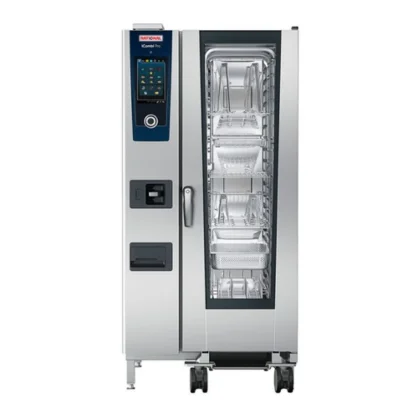
Commercial kitchens often need to prepare different dishes within tight service windows. From roasting vegetables and cooking meat to preparing large batches for catering, the right equipment can make a significant difference to kitchen workflow. The Rational iCombi Pro 20-1/1 Gas is designed for professional foodservice environments that require cooking flexibility, substantial capacity, and control over different preparation methods.
Understanding how this combi oven fits into everyday kitchen operations can help restaurants, hotels, and catering businesses decide whether it suits their needs.
How Does the Rational iCombi Pro 20-1/1 Gas Support Different Cooking Methods?
A combi oven combines hot-air cooking with steam, allowing kitchen teams to choose a suitable cooking environment for different ingredients and recipes. This flexibility helps reduce the need to rely on separate appliances for every cooking task.
Hot-Air Cooking for Roasting and Baking
Hot-air cooking is useful for preparing roasted vegetables, baked dishes, and foods that benefit from surface browning. Choosing appropriate temperatures and cooking times helps chefs achieve the desired texture while maintaining consistency across batches.
Steam Cooking for Moisture Retention
Steam is suitable for vegetables, fish, and other ingredients that benefit from moist cooking conditions. It can help preserve texture and reduce drying when used appropriately. Chefs can select cooking conditions according to the ingredients and desired results.
Combined Cooking for Versatile Results
Combining steam and hot air gives chefs greater control over moisture and browning. This approach can be useful when preparing dishes that need a well-cooked interior alongside an appealing exterior.
Why Does Capacity Matter in a Busy Commercial Kitchen?
The 20-1/1 configuration indicates a capacity for 20 GN 1/1 trays, subject to the manufacturer’s specified loading arrangements. This format can support larger production requirements than smaller-capacity ovens.
For example, a hotel kitchen preparing food for a buffet may need to cook several trays of vegetables or other menu items during the same service period. A high-capacity oven can help organize batch preparation and reduce the need to divide production among multiple smaller cooking units.
However, actual output depends on the menu, portion sizes, cooking temperatures, loading practices, and available kitchen space.
What Should Buyers Consider Before Choosing This Gas Combi Oven?
Before purchasing the Rational iCombi Pro 20-1/1 Gas, evaluate how it fits your kitchen’s daily workload.
Consider these practical factors:
- Menu requirements: Identify the dishes and cooking methods used most frequently.
- Production volume: Assess how many trays your team needs to prepare during peak periods.
- Kitchen layout: Check the appliance dimensions, ventilation requirements, and installation clearances.
- Gas and utility connections: Confirm compatibility with your site’s supply and installation requirements.
- Cleaning and maintenance: Review the manufacturer’s instructions and plan routine care to maintain hygienic operation.
A larger oven is most useful when its capacity matches actual production needs. Staff training and sensible loading practices also influence cooking consistency.
Is the Rational iCombi Pro 20-1/1 Gas Suitable for Your Kitchen?
The Rational iCombi Pro 20-1/1 Gas may suit professional kitchens that need flexible cooking methods and high-volume batch preparation. Its combination of steam and hot-air cooking supports a range of culinary tasks, while its tray capacity can help organize production.
Before making a decision, compare its specifications with your menu, service volume, installation conditions, and operating requirements. Choosing equipment around real kitchen demands helps support efficient preparation and consistent food quality.
Frequently Asked Questions
1. What types of food can be prepared in the Rational iCombi Pro 20-1/1 Gas?
Depending on the recipe and selected cooking settings, a combi oven can prepare roasted vegetables, meat, fish, baked dishes, and steamed foods. The appropriate cooking method depends on the ingredients and desired result.
2. What does 20-1/1 mean in a combi oven?
The designation generally refers to a configuration that accommodates 20 Gastronorm 1/1 trays. Buyers should verify the manufacturer’s specifications for tray compatibility, spacing, and approved loading arrangements.
3. How does steam cooking differ from hot-air cooking?
Steam uses moisture to cook ingredients, while hot air transfers heat through circulating heated air. Combining the two methods provides greater control over moisture retention, browning, and the final texture of food.
4. What should businesses check before installing a gas combi oven?
Businesses should confirm appliance dimensions, gas supply compatibility, ventilation, electrical connections, drainage, installation clearances, and applicable safety requirements with qualified installation professionals.
5. How can kitchen teams maintain consistent cooking results?
Teams should follow recommended loading arrangements, use suitable cooking settings, avoid overcrowding, monitor food doneness, and clean the appliance according to the manufacturer’s instructions. Consistent procedures also help reduce variation between batches.